Summary: A practical guide to using a sports science department: needs analysis, baseline testing, follow-up
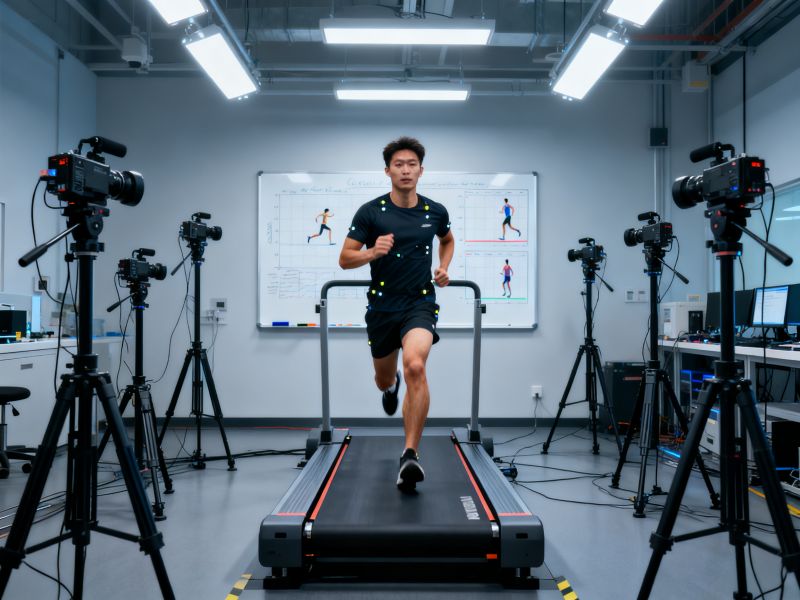
Walk into most sports science departments and you'll see the same thing: a motion capture rig, a treadmill with force plates, and a whiteboard covered in scribbled numbers. But here's the catch—half the athletes on campus don't know they can book a session, and the other half think it's only for Olympic hopefuls. I've seen a sprinter shave 0.2 seconds off her 100m time just by spending three afternoons in a sports science department running jump tests and adjusting her block start. That's not magic. That's access.Start with a simple needs analysis. A good sports science department will offer an initial screening—usually a 30-minute chat plus a few baseline tests. Bring your training log and a clear question. "Why do I fade in the last 10 minutes of matches?" is useful. "Make me faster" is not. In my experience, the most productive first step is a movement screen combined with a submaximal fitness test. You'll walk out with a one-page profile showing your asymmetry, your aerobic threshold, and your recovery heart rate. That document becomes your training compass for the next eight weeks.Testing without a follow-up plan wastes everyone's time. I watched a rugby player go through a full battery of strength and power assessments, then return to his old gym routine unchanged. Nothing improved. The sports science department staff won't chase you—they assume you'll book a review. So do it. Schedule a 15-minute debrief two weeks after testing. Ask for two or three specific drills or loading changes. For example, if your left quad is 12% weaker than your right。they might prescribe single-leg press progressions three times a week. If your sprint mechanics show excessive ground contact time, they'll cue a lower heel recovery. These are small, actionable tweaks, not a total overhaul.Use the department's equipment for longitudinal tracking, not one-off curiosity. The force plate doesn't lie, but it also doesn't care about your ego. I've seen athletes chase peak power numbers and ignore movement quality. Bad trade. Instead, pick two or three metrics—say, countermovement jump height, reactive strength index, and heart rate variability—and retest every four weeks. Keep the conditions identical: same time of day, same footwear。same warm-up. The sports science department staff will help you standardize the protocol. One rower I know tested every Monday morning for twelve weeks and discovered his recovery was consistently poor after weekend double sessions. He shifted his hard erg work to Tuesday, and his monthly average power output climbed by 5%.Finally, treat the sports science department as a collaboration, not a vending machine. Bring your coach to the feedback session if possible. Share your sleep data, your stress levels, your travel schedule. The more context you give, the better the interpretation. I've sat in meetings where a single comment—"I've been sleeping five hours because of a new baby"—completely reframed a plateau in sprint speed. The staff adjusted the training load recommendation on the spot. That kind of real-world data beats any lab value. And don't be shy about asking for a written summary you can hand to your coach. Most departments will provide one. If they don't。
ask again. You're not being demanding;you're being a smart consumer of your own performance data.